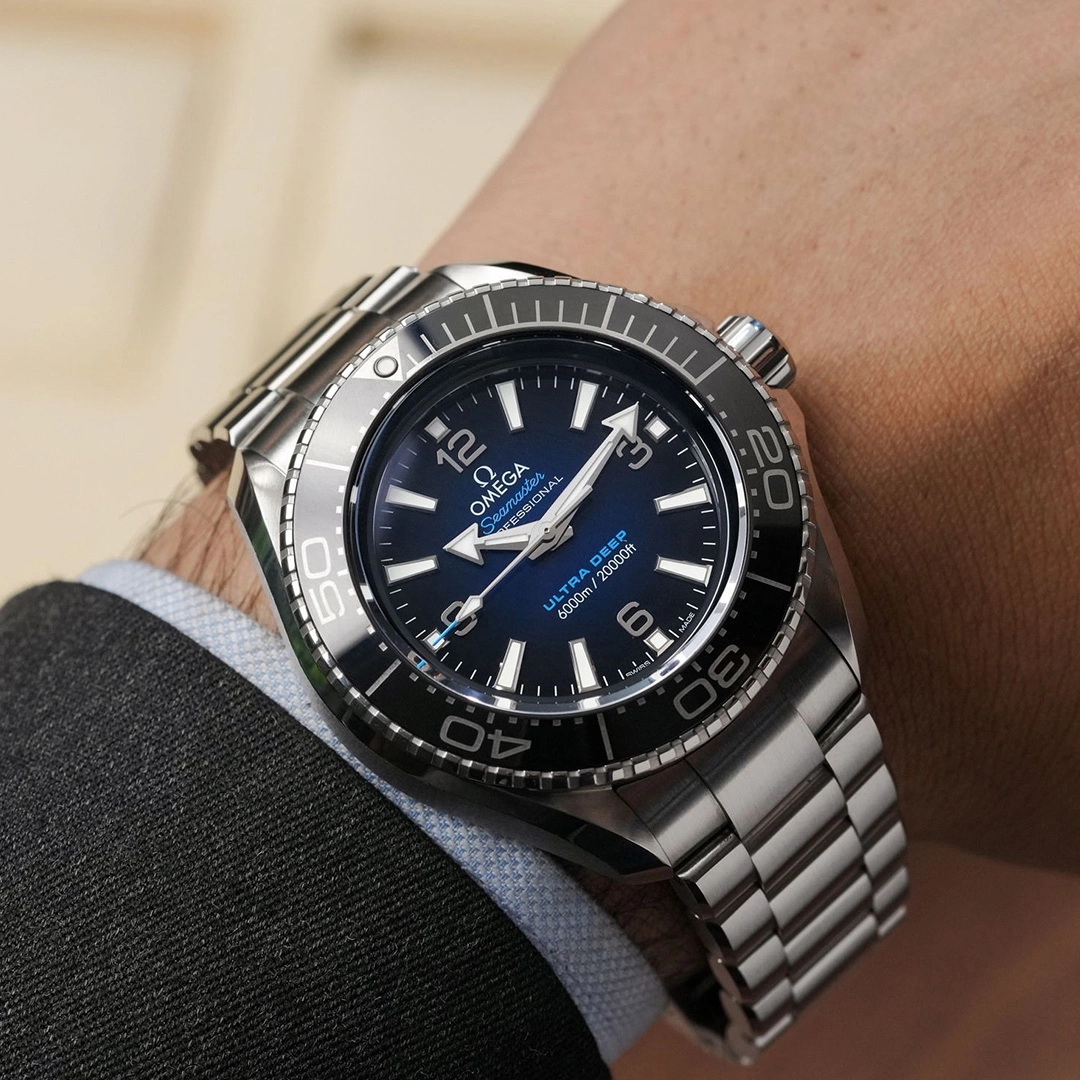

Omega Planet Ocean: The Deeper Side Of The Seamaster

 Trending Articles
-
Omega Planet Ocean: The Deeper Side Of The Seamaster
27 Mar, 2026 0
0
-

-

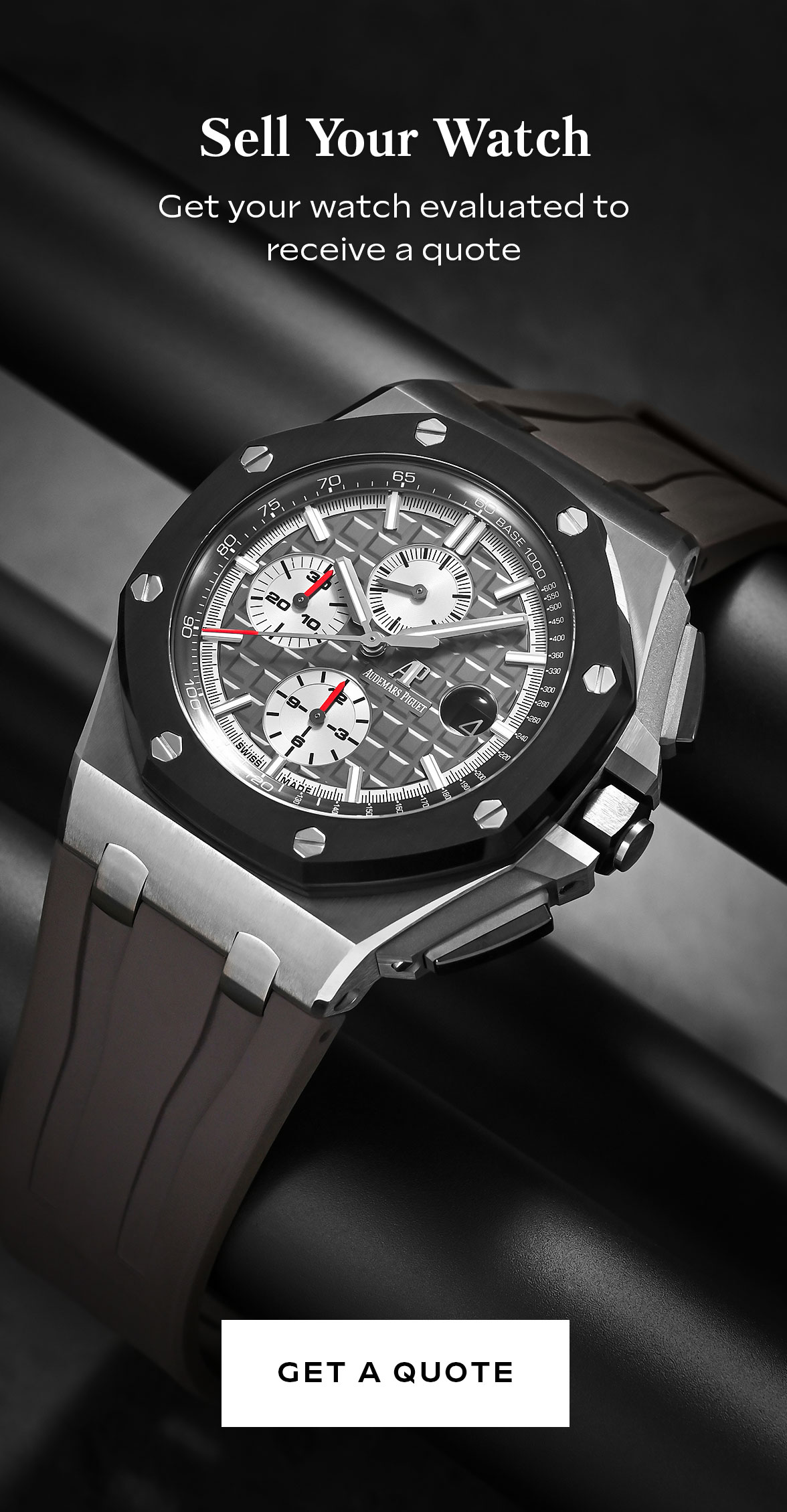
omega’s credibility in deep water was not established overnight, but built gradually over decades through a series of purposeful, technically driven watches that shaped its identity long before the Planet Ocean emerged. Omega first explored underwater capability with the 1932 Marine, among the earliest purpose-designed diver’s watches, distinguished by its sealed double-case construction. By 1948, the introduction of the Omega Seamaster marked a turning point. Created to celebrate the brand’s centenary, it was conceived as a watch for “town, sea, and country,” balancing the restraint of a dress watch with improved water resistance, thanks to an O-ring gasket system that enhanced case integrity.
Omega Planet Ocean
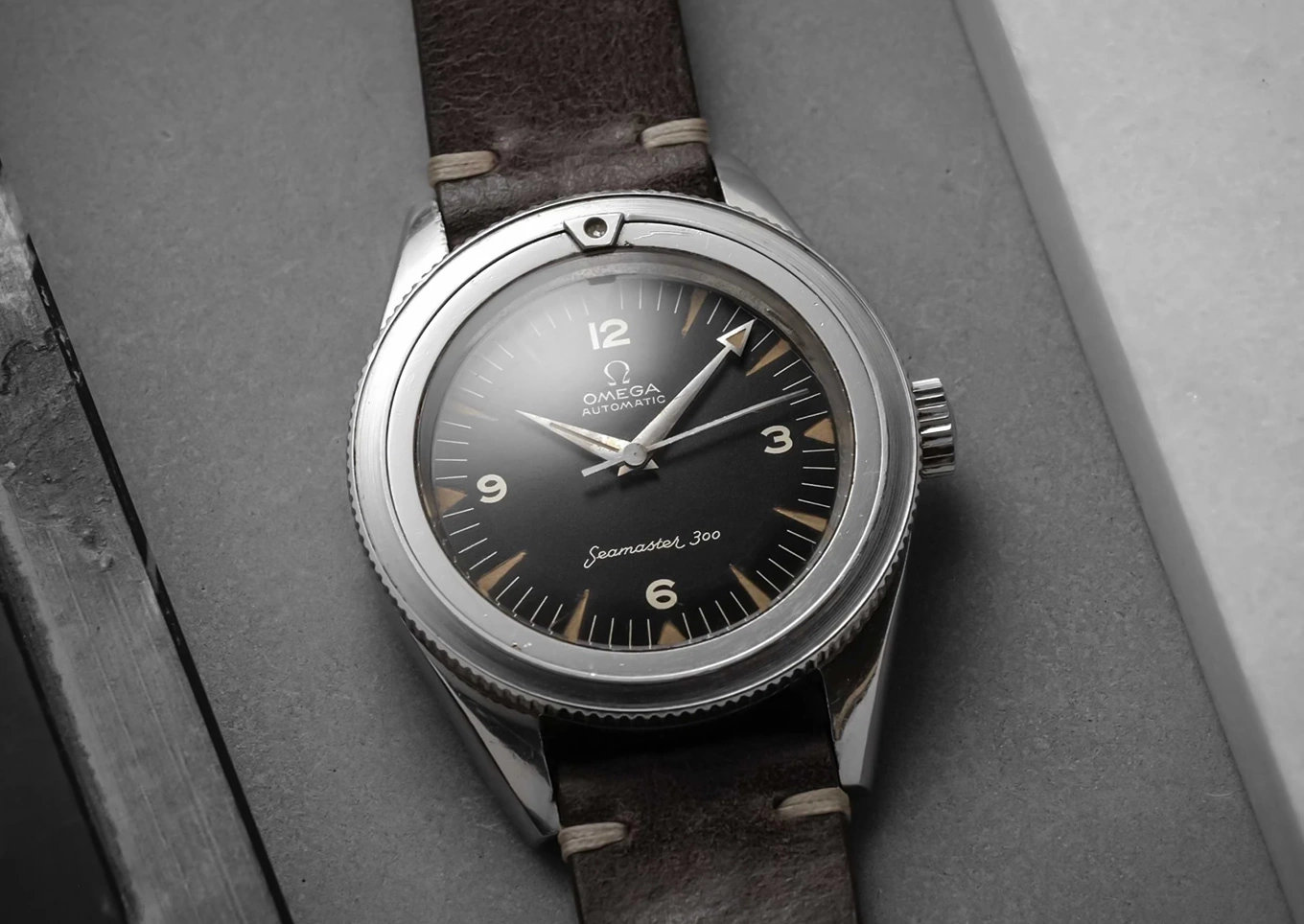
1. Seamaster 300 in 1957
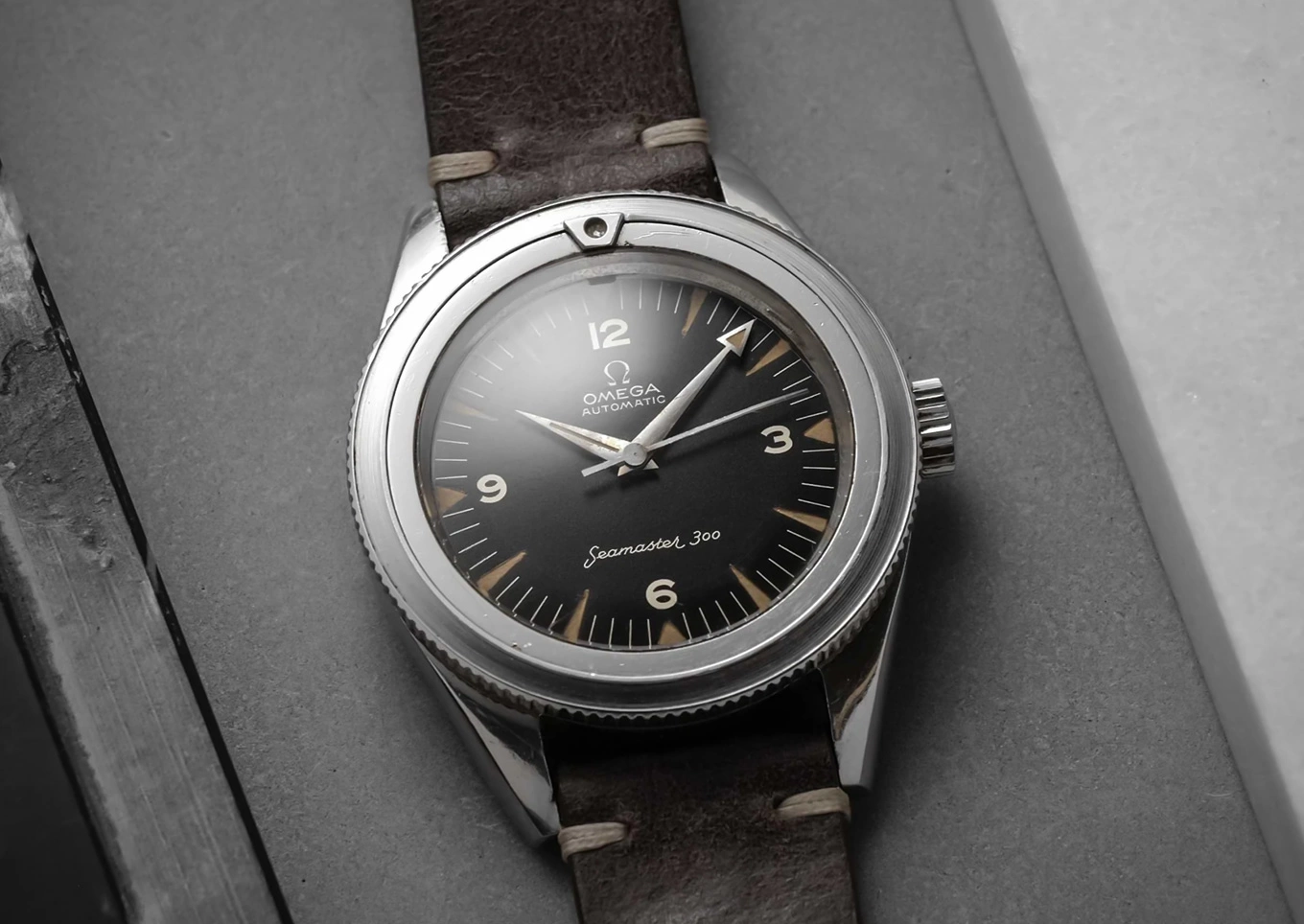
This foundation evolved steadily, with the Seamaster 300 in 1957 offering a tested depth rating of 200 metres, aligning with the growing demands of professional divers and underwater exploration during that period. In the 1970s, the Omega Seamaster PloProf extended these capabilities further, engineered for 600 metres with a reinforced case structure, side-positioned crown, and locking mechanism suited to saturation diving environments. When the Omega Seamaster Planet Ocean arrived in 2005, it represented a consolidation of decades of technical refinement into a format that balanced robust engineering with a more considered and contemporary presence.
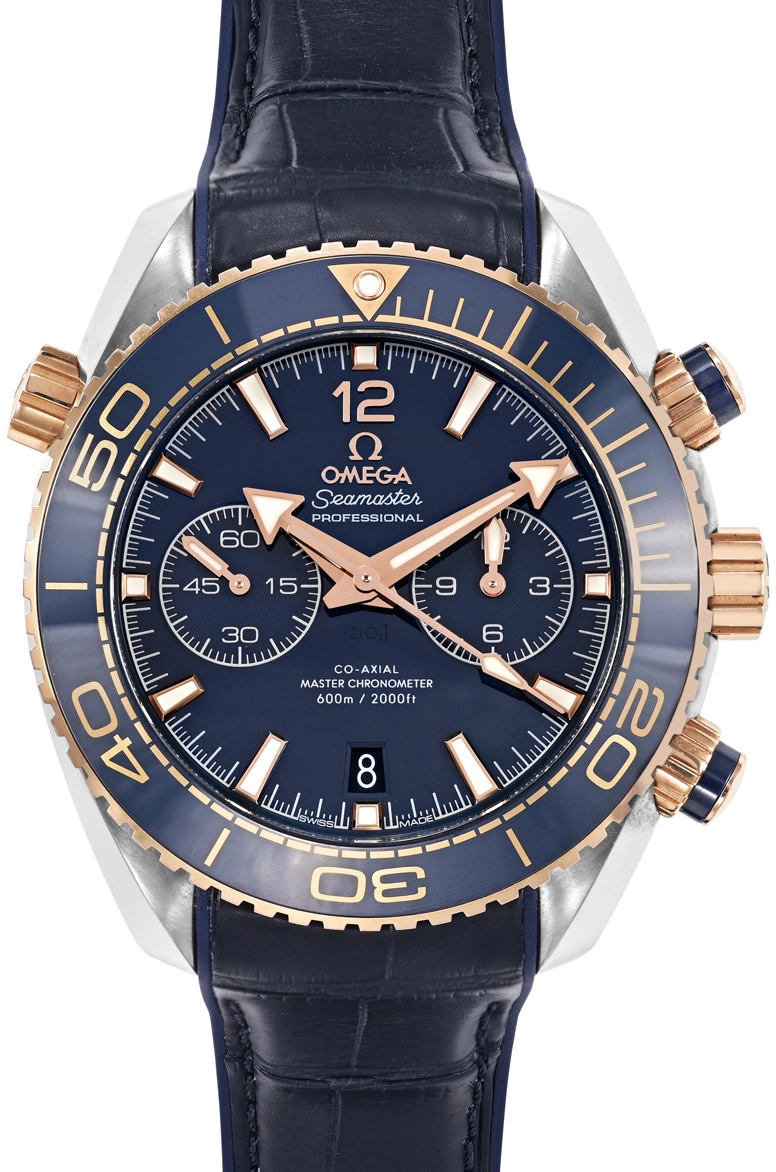
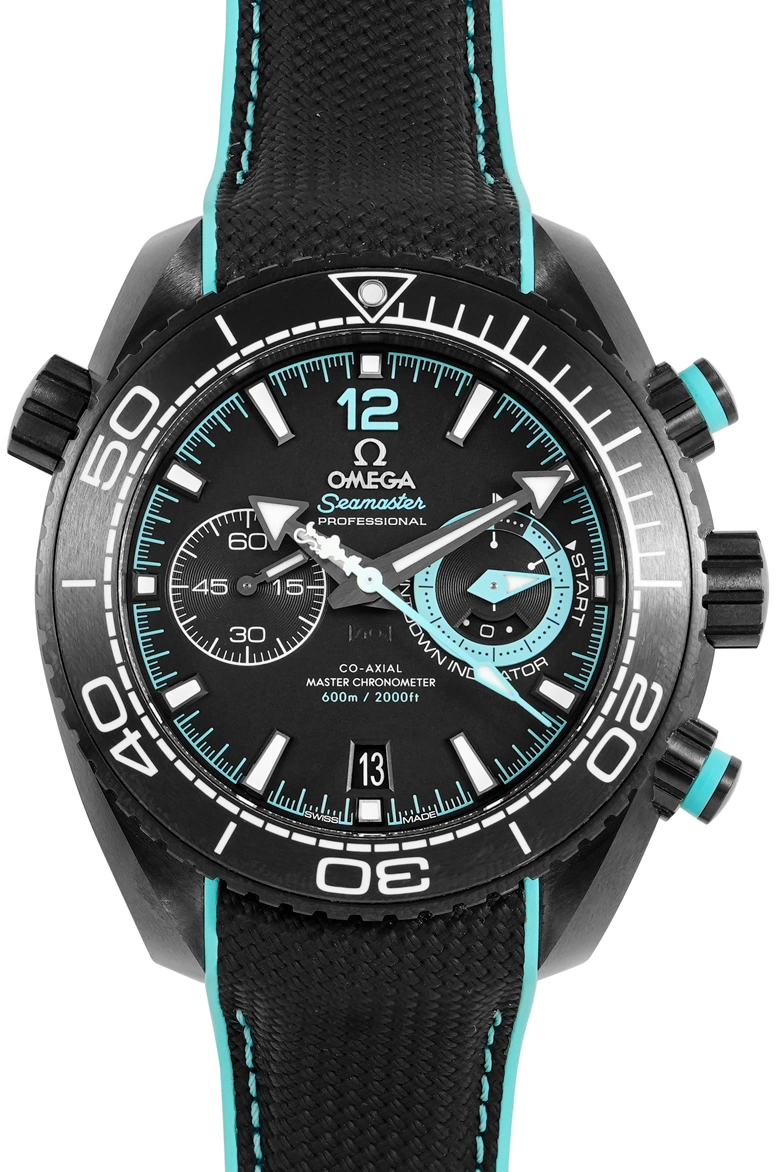
2. First Generation (2005)
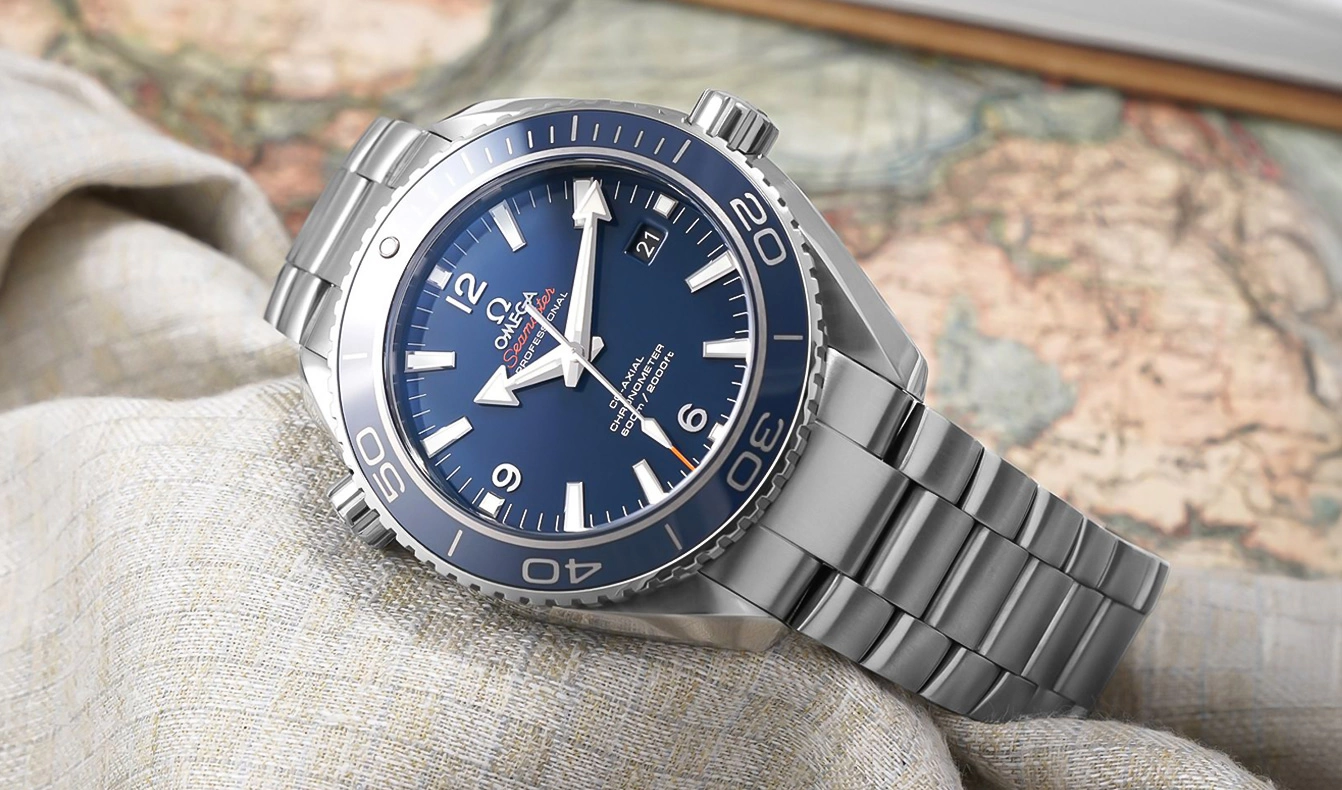
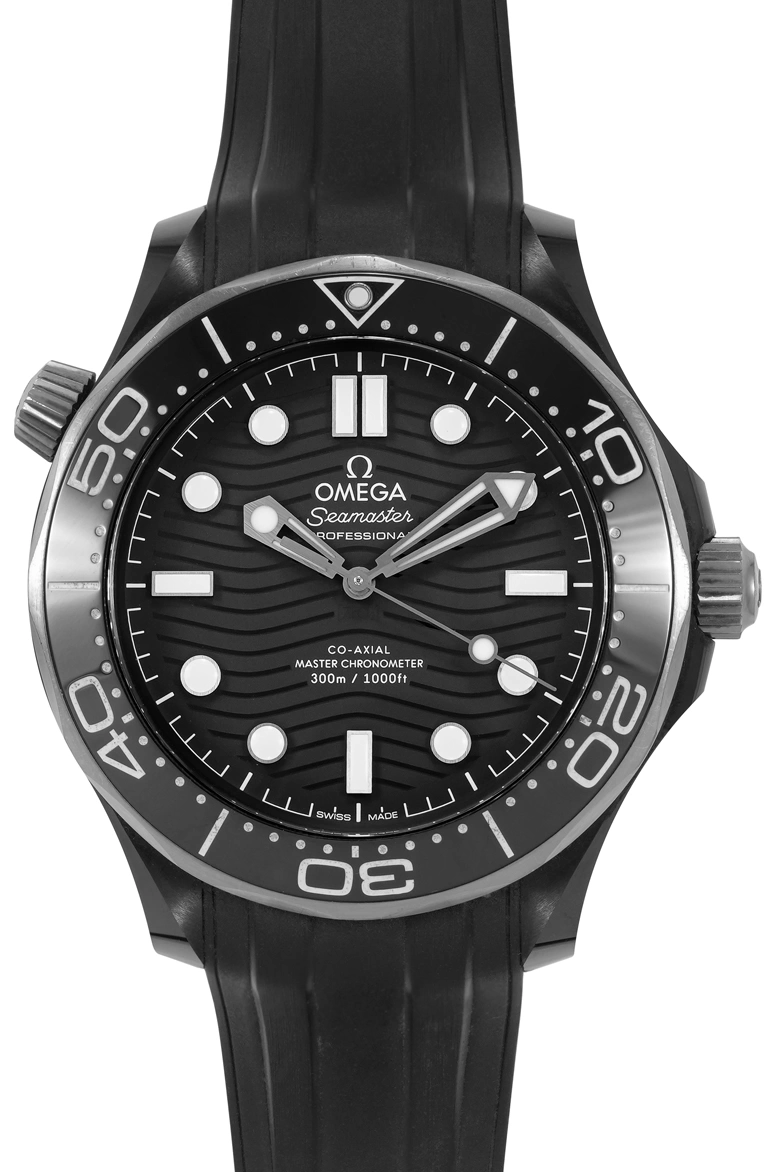
When the Seamaster Planet Ocean debuted, its defining specification was a depth rating of 600 metres, double that of the Seamaster Diver 300M. Achieving rating required a more robust case architecture, including a screw-down crown and a caseback secured by multiple O-ring seals to maintain water resistance under extreme pressure.
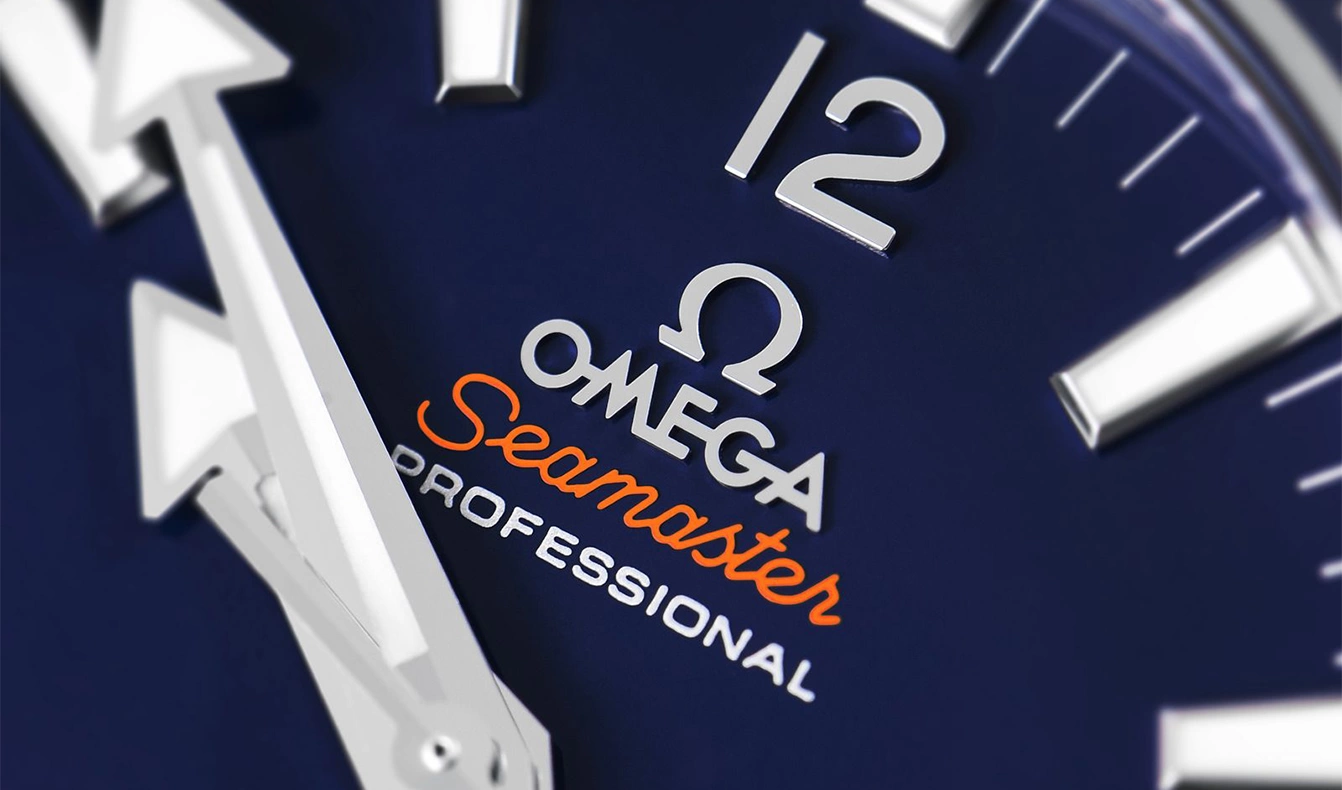
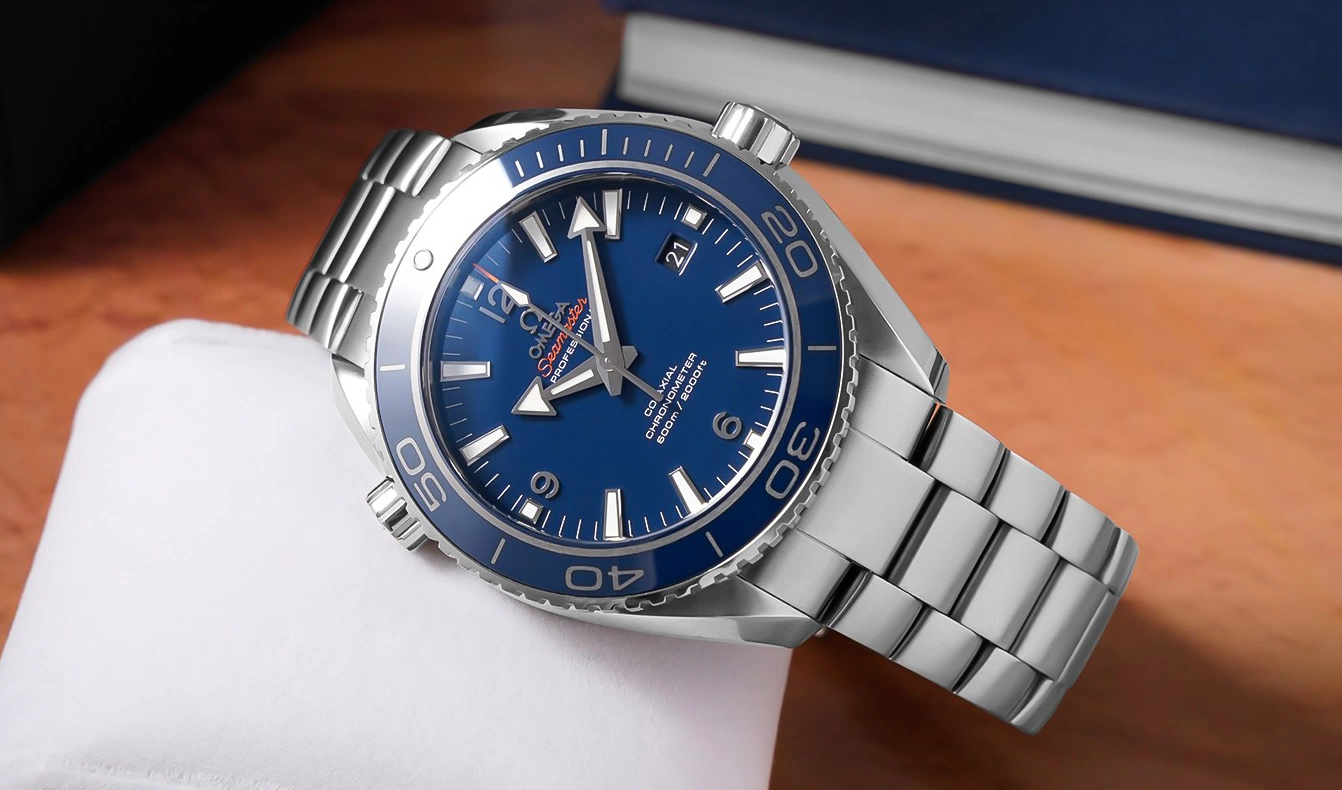
3. Second Generation (2011)
The 2011 iteration of the Seamaster Planet Ocean approached water resistance through materials engineering. Aluminium bezel inserts were replaced with zirconium oxide ceramic, a surface that is significantly harder, chemically inert, and resistant to UV exposure and saltwater corrosion. Its density also contributed to greater long-term sealing stability under repeated stress.
4. Planet Ocean Ultra Deep (2019–2022)
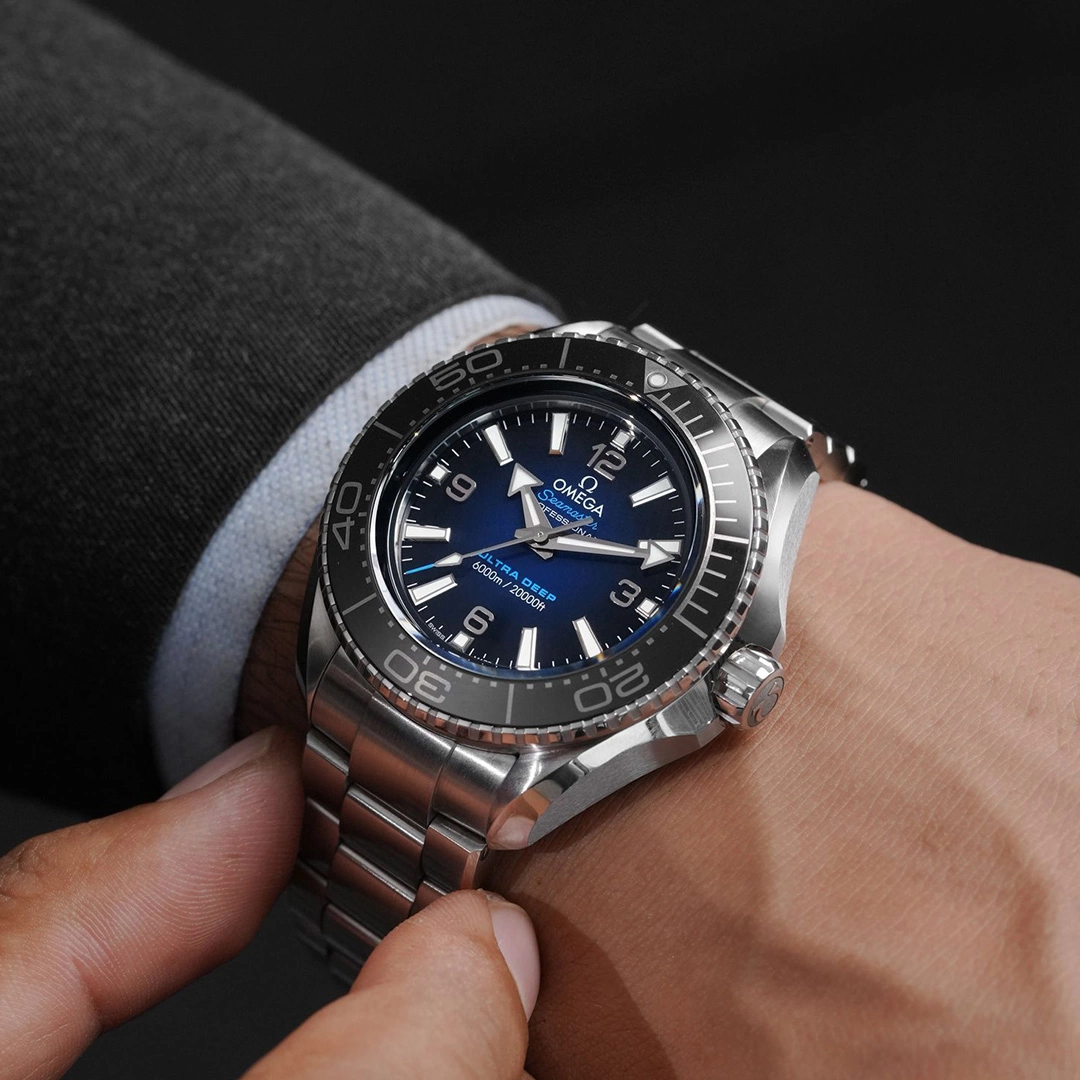
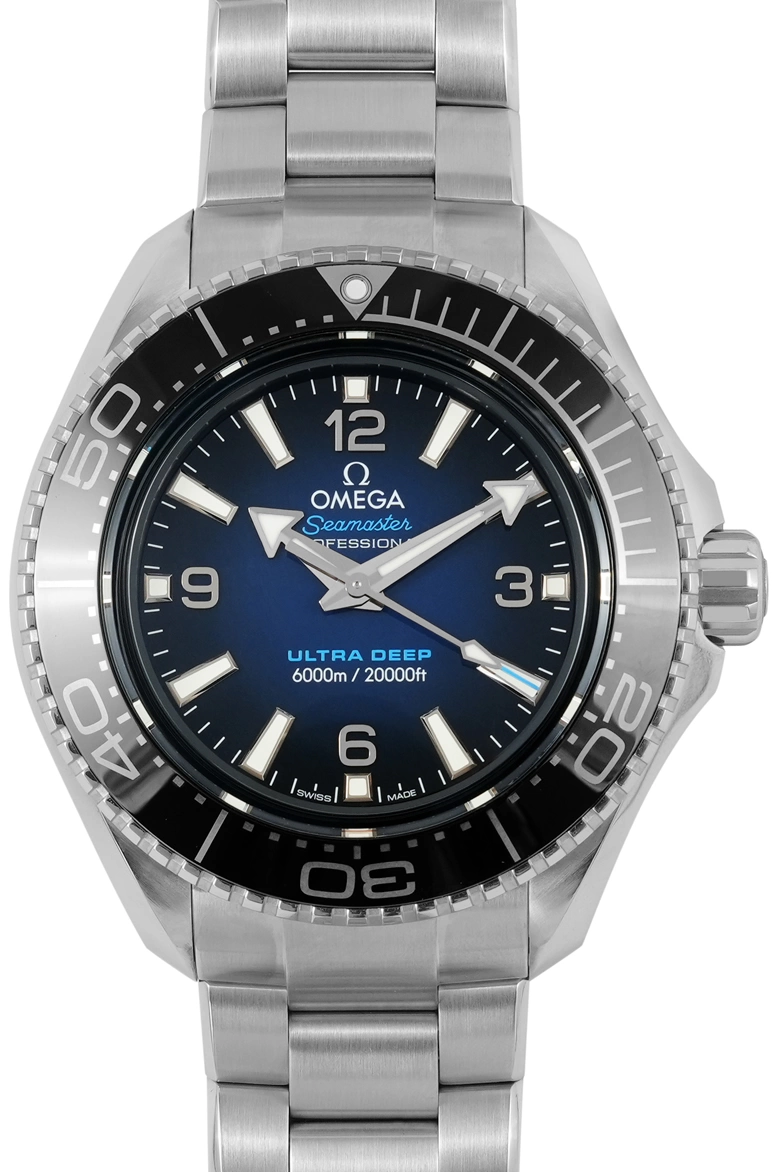
The Ultra Deep elevated the Planet Ocean line to unprecedented depths. A titanium prototype reached 35,853 feet in the Mariana Trench during Victor Vescovo’s record-setting expedition, exceeding the 35,787-foot mark set by the Rolex Deepsea seven years earlier.